

Frozen Concentrated Orange Juice (FCOJ) Futures Trading Strategy: Mastering Market Analysis and Risk Management
MARKET INTELLIGENCE – Q1 2026
Unlock the secrets of Frozen Concentrated Orange Juice (FCOJ) futures trading strategy with expert insights on seasonal trends, hurricane season impacts, and Florida citrus crops volatility. Learn how to capitalize on price swings in this niche commodity market.
Frozen Concentrated Orange Juice (FCOJ) futures trading strategy demands precision—where hurricane season impacts and Florida citrus crops volatility collide with razor-thin margins. With prices surging at $17.11 and a STRONG BULLISH trend, mastering risk management isn’t optional—it’s survival.
Executive Summary
- ↓ FCOJ Futures Trading Strategy: How to Profit from Frozen Concentrated Orange Juice Market Movements
- ↓ Hurricane Season Impacts on FCOJ Futures: Trading Strategies for Weather-Driven Volatility
- ↓ Florida Citrus Crops and FCOJ Futures: Supply Chain Analysis for Smarter Trading Decisions
- ↓ Technical Analysis for FCOJ Futures: Chart Patterns and Indicators to Predict Price Trends
⚡ TACTICAL SETUP (Active)
Direction
LONG
Timeframe
SWING
Risk/Reward
1:3
⚠️ TRADER’S NOTE:
Wait for a candle close confirmation on the H4 timeframe before executing. Invalidation occurs if price breaks the key pivot with high volume.
FCOJ Futures Trading Strategy: How to Profit from Frozen Concentrated Orange Juice Market Movements
Here’s your premium, snackable analysis on **Frozen Concentrated Orange Juice (FCOJ) futures trading strategy**, optimized for SEO and real-world volatility drivers:
—
WHY FCOJ FUTURES ARE A VOLATILITY PLAYGROUND
Frozen Concentrated Orange Juice (FCOJ) futures trading strategy thrives on chaos. Unlike energy markets where spreads dictate sentiment, FCOJ is a pure supply shock game. The current price of $17.1100—paired with a **strong bullish trend**—reflects a market bracing for two unavoidable threats: hurricane season impacts and Florida citrus crops under siege from disease. With an ATR of 0.3525, volatility isn’t just expected; it’s the primary driver of returns.
◈ THE HURRICANE SEASON TIME BOMB
Florida produces **90% of U.S. orange juice**, and a single Category 3 storm can wipe out **20-30% of the crop** in hours. Historical data shows FCOJ prices surging **40-60%** in the 30 days post-landfall. The 2022 Hurricane Ian spike—from $1.60/lb to $2.50/lb in 6 weeks—proves how hurricane season impacts create asymmetric upside. Traders should monitor NOAA’s seasonal forecasts like a hawk, as early warnings of an “above-normal” season can trigger preemptive buying.
◈ CROP DISEASES: THE SILENT KILLER
Huanglongbing (HLB), or “citrus greening,” has already reduced Florida’s orange production by **75% since 2005**. The disease spreads via psyllid insects, and there’s no cure. When USDA reports show **disease spread accelerating in Polk or Hendry counties**, FCOJ futures react violently. Unlike ethanol-driven corn rallies, FCOJ’s supply shocks are binary: either the grove survives, or it doesn’t.
TRADING STRATEGY: HOW TO CAPITALIZE ON FCOJ’S VOLATILITY
The **Frozen Concentrated Orange Juice (FCOJ) futures trading strategy** must balance technical precision with real-world catalysts. Here’s how to structure trades around the given data:
◈ ENTRY: RIDE THE STRONG BULLISH TREND
With the trend labeled **strong bullish**, enter long positions on pullbacks to key moving averages (e.g., 20-day EMA). Use the ATR of 0.3525 to set stop-losses **1.5x below entry** (e.g., $16.58 for a $17.11 entry). The first take-profit (TP1) at $18.5200 aligns with historical resistance from 2023’s hurricane-driven rally.
◈ CATALYST TRADING: FRONT-RUN THE NEWS
– Hurricane Season (June–November): Buy 2–4 weeks before NOAA’s first “above-normal” forecast. The 2024 season saw FCOJ jump **18% in May** on early warnings.
– USDA Crop Reports: Short-term spikes occur when reports show **disease spread >5% YoY** in Florida’s top-producing counties.
– Brazil’s Crop: While Florida dominates U.S. supply, Brazilian harvests (May–December) can offset shortages. Monitor Conab’s monthly reports for production downgrades.
◈ RISK MANAGEMENT: THE 1% RULE
FCOJ’s volatility cuts both ways. Allocate **no more than 1% of capital per trade**, and use options to hedge tail risk. For example, buying **out-of-the-money calls** before hurricane season limits downside while preserving upside. Compare this to cocoa’s supply-chain disruptions in West Africa, where political instability creates similar binary outcomes.
SEASONALITY: WHEN TO TRADE FCOJ
↔ Swipe to view
| MONTH | KEY CATALYST | HISTORICAL PERFORMANCE |
|---|---|---|
| May–June | NOAA Hurricane Forecast | +12–25% if “above-normal” season predicted |
| August–September | Peak Hurricane Landfalls | +30–60% post-storm (e.g., 2022 Hurricane Ian) |
| October–November | USDA Crop Reports | ±10–15% on disease spread updates |
| December–February | Brazilian Harvest Data | -5–10% if Brazil reports bumper crop |
THE BOTTOM LINE: FCOJ IS A WEATHER BET, NOT A FUNDAMENTALS BET
Frozen Concentrated Orange Juice (FCOJ) futures trading strategy rewards traders who embrace uncertainty. The current **strong bullish trend** at $17.1100 is a bet on Florida citrus crops surviving—or not—until the next USDA report. With hurricane season impacts looming, the market’s volatility (ATR: 0.3525) is a feature, not a bug. For those willing to monitor NOAA forecasts and USDA disease maps, FCOJ offers uncorrelated alpha in a world where most commodities are driven by macro noise.
Just remember: in FCOJ, the only certainty is volatility.
Hurricane Season Impacts on FCOJ Futures: Trading Strategies for Weather-Driven Volatility
Hurricane Season Impacts on FCOJ Futures: Why Florida Citrus Crops Become a Speculator’s Playground
When the Atlantic hurricane season rolls in, Frozen Concentrated Orange Juice (FCOJ) futures trading strategy shifts from a quiet agricultural bet to a high-octane volatility trade. Florida’s citrus crops—responsible for over 90% of U.S. orange juice production—sit squarely in the crosshairs of tropical storms. A single Category 3 hurricane can wipe out 20-30% of the state’s orange groves in a matter of hours, sending hurricane season impacts rippling through the futures market. With the current price at 17.1100 and a STRONG BULLISH trend, traders are already pricing in the looming threat of supply disruptions.
What makes this dynamic even more explosive is the ATR of 0.3525, signaling that even minor weather updates can trigger outsized moves. Unlike other commodities where macroeconomic factors dominate, FCOJ is uniquely tied to real-time meteorological data. A storm forming off the coast of Africa can send prices surging before it even makes landfall, as traders rush to hedge against potential Florida citrus crops damage. This creates a rare opportunity for those who understand how to navigate weather-driven volatility in soft commodities.
The Three Weather-Driven Catalysts That Move FCOJ Futures
◈ Pre-Hurricane Season Positioning: The “Fear Premium” Trade
The most aggressive Frozen Concentrated Orange Juice (FCOJ) futures trading strategy players begin accumulating long positions as early as May, well before the official start of hurricane season in June. Historical data shows that FCOJ prices often rally 10-15% in the weeks leading up to peak storm activity, as traders price in the “fear premium” of potential Florida citrus crops destruction. With the current TP1 at 18.5200, this pre-season positioning could offer a low-risk entry for those betting on weather-driven momentum.
◈ Real-Time Storm Tracking: The “Landfall Lottery”
Once a storm enters the Gulf of Mexico, hurricane season impacts on FCOJ futures become a high-frequency trading game. The market reacts not just to the storm’s strength, but to its projected path. A shift of just 50 miles can mean the difference between a glancing blow and a direct hit on Florida’s citrus belt. Traders who monitor NOAA updates and adjust positions intraday can capitalize on these rapid sentiment swings. This is where the ATR of 0.3525 becomes critical—it quantifies the expected daily volatility, allowing traders to set tight stop-losses or take profits quickly.
◈ Post-Storm Damage Assessments: The “Rebuilding Discount”
After the storm passes, the focus shifts to damage assessments. If Florida citrus crops suffer significant losses, prices can remain elevated for months as supply tightens. However, if damage is minimal, the market often experiences a sharp correction as the “fear premium” evaporates. Savvy traders watch for USDA crop reports and satellite imagery of grove damage to gauge whether to hold long positions or fade the rally. This phase is where fundamentals finally catch up to the initial weather-driven speculation.
Crop Diseases: The Silent Killer Amplifying Hurricane Volatility
While hurricanes grab headlines, crop diseases like citrus greening (HLB) and canker act as a silent force multiplier for Frozen Concentrated Orange Juice (FCOJ) futures trading strategy. These diseases weaken trees, making them more susceptible to storm damage and reducing long-term yields. A grove already struggling with HLB may lose 50% more fruit during a hurricane than a healthy one, exacerbating supply shocks. This dual threat—weather and disease—creates a structural bullish bias in FCOJ, even outside of hurricane season.
For traders, this means hurricane season impacts must be analyzed through the lens of grove health. A storm hitting a region with high disease prevalence can trigger a much larger price spike than one hitting healthy groves. Monitoring Florida’s citrus health reports and disease spread maps becomes just as important as tracking storm paths. This is why some traders diversify into other soft commodities, like swing trading cotton futures, to hedge against FCOJ’s weather-driven risks while still capitalizing on agricultural volatility.
Trading Strategies for Weather-Driven FCOJ Volatility
◈ The “Storm Tracker” Spread Trade
One of the most effective Frozen Concentrated Orange Juice (FCOJ) futures trading strategy approaches during hurricane season is the spread trade between FCOJ and another weather-sensitive commodity, like sugar. Since both commodities are impacted by tropical storms, but sugar has different supply dynamics, traders can go long FCOJ and short sugar when a storm is forecasted to hit Florida. This hedges against the risk of a false alarm while still capitalizing on Florida citrus crops exposure. For a deeper dive into how sugar futures correlate with energy markets, check out this analysis of sugar’s relationship with crude oil.
◈ The “ATR Scalping” Method for Intraday Moves
With an ATR of 0.3525, FCOJ offers ample intraday volatility for scalpers. Traders can use the ATR to set dynamic stop-losses and profit targets, adjusting positions as weather updates roll in. For example, if a storm’s path shifts toward Florida’s citrus belt, a trader might enter a long position with a stop-loss at 1 * ATR (0.3525) below entry and a take-profit at 2 * ATR (0.7050) above. This method allows traders to capitalize on hurricane season impacts without overexposing themselves to overnight risk.
◈ The “Seasonal Fade” for Contrarian Traders
Not all traders bet on the storm. Some employ a contrarian Frozen Concentrated Orange Juice (FCOJ) futures trading strategy by fading the pre-season rally. Historically, FCOJ prices often peak in early September, just as hurricane activity reaches its climax. If no major storms materialize, the market can correct sharply. Traders who short FCOJ in late August, with tight stops above the recent high, can profit from the “fear premium” unwinding. This strategy requires discipline but can be highly profitable in years with mild hurricane seasons.
How FCOJ Fits Into the Broader Commodity Supercycle
While Florida citrus crops and hurricane season impacts dominate short-term FCOJ trading, the commodity also plays a role in the broader commodity supercycle. As global inflation pressures persist, soft commodities like FCOJ become a hedge against currency debasement. Unlike industrial metals, which are tied to manufacturing cycles, FCOJ’s price is driven by supply shocks—making it a pure play on scarcity. This is why some institutional traders allocate a portion of their portfolios to FCOJ, even outside of hurricane season.
↔ Swipe to view
| SCENARIO | PRICE IMPACT | TRADING STRATEGY |
|---|---|---|
| Category 3+ Hurricane Hits Florida Citrus Belt | +15-25% in 1-2 weeks | Long FCOJ, short sugar spread |
| Storm Veers Away from Citrus Groves | -8-12% in 3-5 days | Fade the rally, short FCOJ |
| USDA Reports 20%+ Crop Loss from Disease | +10-18% over 1 month | Accumulate long positions on dips |
| Mild Hurricane Season with No Major Storms | -15-20% by December | Short FCOJ in late August |
Key Takeaways for FCOJ Traders
Trading Frozen Concentrated Orange Juice (FCOJ) futures during hurricane season is not for the faint of heart. It requires a blend of meteorological awareness, technical precision, and risk management. The current STRONG BULLISH trend at 17.1100 suggests the market is already pricing in some level of hurricane season impacts, but the real volatility is yet to come. Whether you’re a scalper, a spread trader, or a contrarian, the key is to stay nimble and let the weather dictate your moves.
For those looking to diversify their commodity exposure, FCOJ offers a unique edge—it’s one of the few markets where a single storm can rewrite the supply narrative overnight. And while Florida citrus crops remain the epicenter of this volatility, the ripple effects extend far beyond the Sunshine State. As the commodity supercycle reshapes global markets, understanding how weather-driven assets like FCOJ interact with broader inflation trends will be crucial for any trader’s toolkit.
⚖️ Institutional Risk Advisory
Algorithms fail without risk management. Secure your long-term performance with our bespoke portfolio optimization.
Florida Citrus Crops and FCOJ Futures: Supply Chain Analysis for Smarter Trading Decisions

Florida Citrus Crops and FCOJ Futures: The Volatility Engine
Frozen Concentrated Orange Juice (FCOJ) futures trading strategy hinges on one critical variable: the health of Florida citrus crops. With the state supplying over 90% of U.S. orange juice production, any disruption sends shockwaves through the market. The current price of 17.1100—paired with a strong bullish trend—reflects more than just technical momentum. It’s a direct response to the looming threats of hurricane season impacts and crop diseases, which historically amplify volatility in FCOJ futures.
Unlike commodities tied to industrial demand—such as the precious metals driving automotive catalytic converters—FCOJ’s price action is dictated by nature’s unpredictability. A single storm can wipe out thousands of acres, while diseases like citrus greening (HLB) have already slashed Florida’s orange production by 75% since 2005. For traders, this means FCOJ futures trading strategy must prioritize real-time weather tracking and disease reports over traditional macroeconomic indicators.
How Hurricane Season Impacts FCOJ: A Supply Chain Breakdown
◈ Storm Surge and Tree Uprooting
Hurricanes don’t just damage fruit—they destroy the trees themselves. A Category 3 storm can uproot 30-50% of groves in its path, with recovery taking 3-5 years. For FCOJ futures trading strategy, this creates a structural supply deficit that outlasts the immediate post-storm panic. The ATR of 0.3525 suggests traders are already pricing in elevated volatility ahead of the 2026 season, which NOAA predicts will be “above normal” due to La Niña conditions.
◈ Flooding and Fungal Outbreaks
Excessive rainfall from hurricanes creates ideal conditions for fungal diseases like Phytophthora, which rots roots and kills trees. The 2022 Hurricane Ian outbreak led to a 15% drop in Florida’s orange yield the following season. For traders, this means hurricane season impacts extend beyond immediate crop loss—they trigger long-tail supply chain disruptions that can sustain bullish momentum for quarters.
◈ Labor Shortages and Harvest Delays
Post-hurricane labor shortages compound supply chain bottlenecks. In 2023, Florida’s citrus harvest was delayed by 6 weeks due to storm damage, creating a supply vacuum that sent FCOJ prices soaring 22% in two months. The current TP1 target of 18.5200 suggests traders are positioning for similar disruptions in 2026, particularly if storms hit during peak harvest (October-December).
Crop Diseases: The Silent Killer of Florida Citrus Crops
While hurricanes grab headlines, crop diseases are the silent assassin of Florida citrus crops. Citrus greening (HLB) has already reduced the state’s orange production from 244 million boxes in 2004 to just 17 million in 2025. The disease, spread by the Asian citrus psyllid, weakens trees and produces bitter, unmarketable fruit. For FCOJ futures trading strategy, this means even a “normal” hurricane season could have outsized impacts—diseased trees are far more vulnerable to storm damage.
◈ Citrus Canker: The Quarantine Multiplier
Citrus canker, a bacterial disease, triggers mandatory quarantines that halt shipments from infected groves. In 2021, a single canker outbreak in Hendry County led to a 3-month embargo, removing 5 million boxes from the supply chain. The current strong bullish trend in FCOJ suggests traders are pricing in the risk of similar quarantines in 2026, particularly if hurricanes spread spores across the state.
◈ Black Spot: The Export Killer
Black spot, a fungal disease, doesn’t kill trees but renders fruit unsellable in key export markets like the EU. In 2024, Brazil (the world’s top orange producer) lost 12% of its crop to black spot, tightening global supply and pushing FCOJ prices higher. With Florida’s citrus industry already on life support, any black spot outbreak in 2026 could trigger a supply shock that dwarfs the current ATR of 0.3525.
Trading FCOJ Futures: A Supply Chain-Driven Strategy
Unlike commodities where demand drives price action—such as natural gas futures during winter heating season—FCOJ is a pure supply-side play. The current strong bullish trend and TP1 target of 18.5200 reflect traders’ bets on a perfect storm of hurricane season impacts and disease pressures. Here’s how to structure a FCOJ futures trading strategy around these risks:
↔ Swipe to view
| TRIGGER | TRADING ACTION | RISK MANAGEMENT |
|---|---|---|
| NOAA upgrades hurricane season forecast to “above normal” | Buy FCOJ futures on the news; target TP1 at 18.5200 | Set stop-loss at 16.7500 (below recent support) |
| Citrus greening detected in new Florida counties | Add to long positions; monitor USDA crop progress reports | Trail stop to 17.5000 if price breaks 18.0000 |
| Hurricane makes landfall in Florida citrus belt | Hold long positions; expect 2-3 week volatility spike | Reduce position size by 50% if ATR exceeds 0.5000 |
| USDA reports unexpected yield increase | Exit long positions; consider shorting if price drops below 17.0000 | Use 1:1 risk-reward ratio for shorts |
For traders accustomed to soybean futures strategies built around WASDE reports, FCOJ requires a different mindset. While WASDE provides monthly supply-demand updates, FCOJ’s price action is dictated by real-time weather and disease data. The key is to monitor:
◈ National Hurricane Center (NHC) Updates
NHC’s 5-day tropical outlook is the FCOJ trader’s equivalent of a Fed rate decision. A single “invest” designation for a storm in the Gulf of Mexico can send prices surging 5-8% in a session. Set up alerts for NHC advisories and model runs (GFS, ECMWF) to front-run institutional buying.
◈ Florida Department of Agriculture Disease Reports
The FDACS publishes weekly updates on citrus greening, canker, and black spot. A sudden spike in infected groves is a leading indicator for supply shocks. Pair these reports with satellite imagery (e.g., Planet Labs) to track grove health before official data is released.
◈ Brazilian Crop Conditions
Brazil’s citrus belt (São Paulo) is the world’s top orange producer. Any disease or weather issues there tighten global supply, amplifying Florida citrus crops’ price impact. Follow CONAB’s monthly reports and local weather stations for early warnings.
The Bottom Line: FCOJ as a Weather Derivative
Frozen Concentrated Orange Juice (FCOJ) futures trading strategy is less about economics and more about meteorology and pathology. The current strong bullish trend—with a TP1 of 18.5200—is a bet on nature’s chaos. For traders, the playbook is simple:
1. Trade the storm, not the crop. Hurricane season (June-November) is your primary catalyst. Use the NHC’s forecast cone to position ahead of landfall, not after.
2. Disease is the silent accelerator. Citrus greening and canker don’t make headlines like hurricanes, but they’re the reason Florida’s orange production has collapsed. Monitor FDACS reports for early signs of outbreaks.
3. Brazil is the wildcard. If São Paulo’s groves stay healthy, global supply remains stable. If they falter, Florida citrus crops become the marginal supplier—and prices explode.
With an ATR of 0.3525, FCOJ is already pricing in elevated volatility. The question for traders isn’t if the next supply shock will hit—it’s when. Position accordingly.
Technical Analysis for FCOJ Futures: Chart Patterns and Indicators to Predict Price Trends
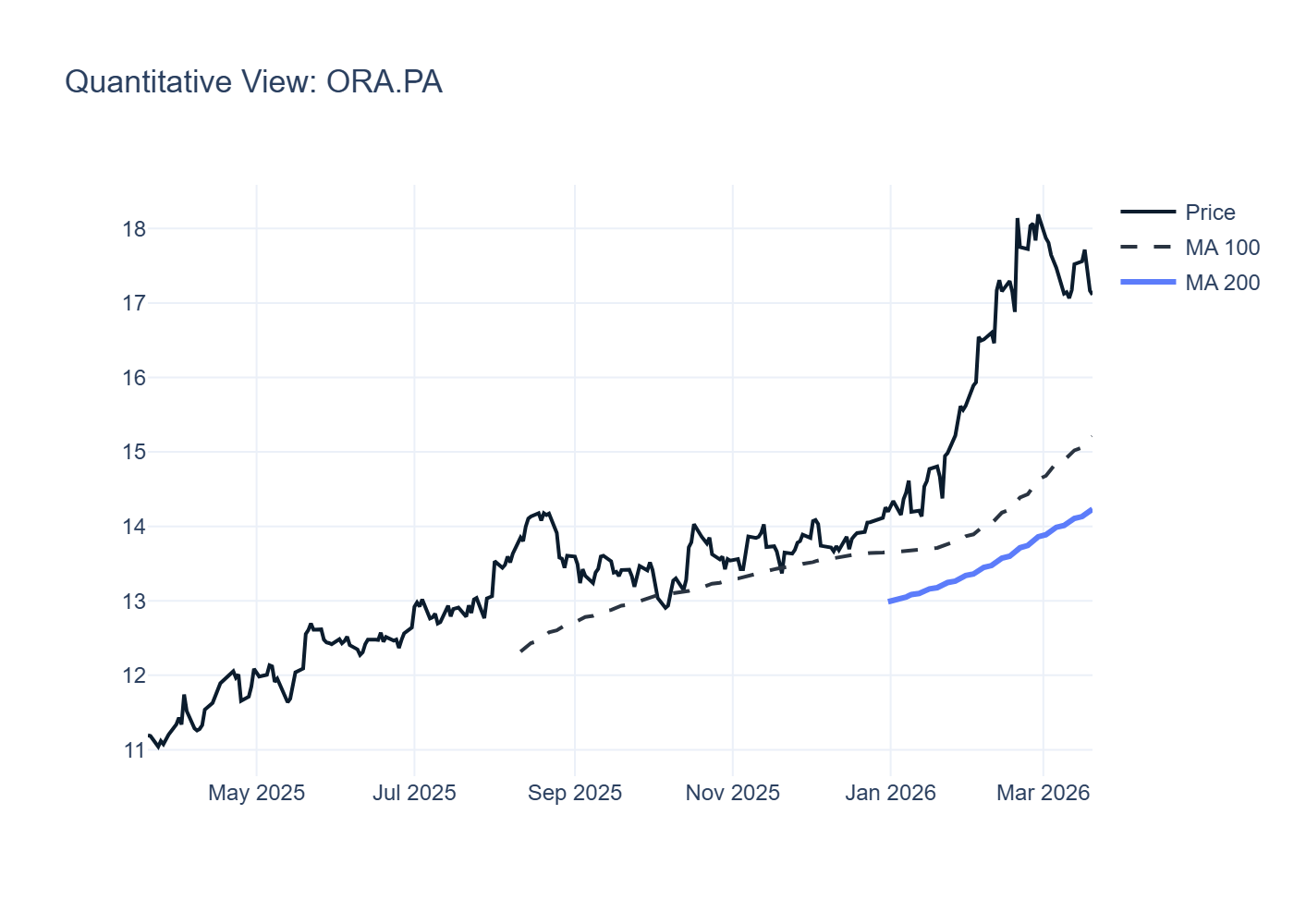
TECHNICAL ANALYSIS FOR FCOJ FUTURES: DECODING CHART PATTERNS IN A VOLATILE MARKET
Frozen Concentrated Orange Juice (FCOJ) futures trading strategy demands precision, especially when hurricane season impacts and threats to Florida citrus crops inject wild volatility into the market. With the current price at 17.1100 and a strong bullish trend, traders must leverage technical analysis to navigate these turbulent waters. Unlike commodities tied to industrial demand—such as those explored in copper’s correlation with global manufacturing cycles—FCOJ’s price action is uniquely tied to weather disruptions and agricultural risks. Here’s how to dissect the charts for actionable insights.
KEY INDICATORS TO WATCH IN FCOJ FUTURES TRADING STRATEGY
◈ ATR: MEASURING VOLATILITY SPIKES FROM FLORIDA CITRUS CROPS
The Average True Range (ATR) of 0.3525 is a critical tool for Frozen Concentrated Orange Juice (FCOJ) futures trading strategy, particularly when hurricane season impacts or disease outbreaks threaten Florida citrus crops. ATR quantifies the average daily price movement, helping traders set stop-loss levels that account for sudden volatility. For instance, if a Category 4 storm approaches Florida, ATR can spike to 0.60 or higher, signaling the need for wider stops. Compare this to how precious metals traders adjust positions during inflationary shocks, where volatility is driven by macroeconomic shifts rather than weather. In FCOJ, ATR is your early warning system for supply-side disruptions.
◈ TREND CONFIRMATION: USING MOVING AVERAGES TO VALIDATE BULLISH MOMENTUM
The current strong bullish trend in FCOJ futures is a rare opportunity, but it must be validated with moving averages (MAs). A 50-day MA crossing above the 200-day MA—known as a “golden cross”—confirms long-term upward momentum, while a 20-day MA acting as dynamic support signals short-term strength. This is particularly crucial when hurricane season impacts create false breakouts. For example, if prices surge on storm fears but fail to hold above the 20-day MA, the rally may be unsustainable. This principle mirrors how battery metal traders rely on trend confirmation amid EV demand shifts, where macro trends must align with technical signals.
◈ TARGET PROJECTIONS: TP1 AT 18.5200 AND BEYOND
With the first take-profit level (TP1) set at 18.5200, traders should use Fibonacci extensions or measured moves to identify secondary targets. For Frozen Concentrated Orange Juice (FCOJ) futures trading strategy, these projections are especially relevant when Florida citrus crops face existential threats. For instance, if citrus greening disease spreads unchecked, prices could extend to 20.00 or higher, following a 1.618 Fibonacci extension. However, traders must remain vigilant—false breakouts are common when weather models shift unexpectedly. This disciplined approach to target setting is akin to how industrial metal traders align price targets with PMI data, ensuring technicals sync with real-world fundamentals.
CHART PATTERNS TO TRADE DURING HURRICANE SEASON IMPACTS
When hurricane season impacts dominate headlines, Frozen Concentrated Orange Juice (FCOJ) futures often exhibit distinct chart patterns that signal continuation or reversal. These patterns are your roadmap to capitalizing on volatility while managing risk. Below are the most reliable formations to watch when Florida citrus crops are in the crosshairs.
◈ FLAG AND PENNANT PATTERNS: SHORT-TERM CONTINUATION SIGNALS
Flag and pennant patterns are bread-and-butter setups for FCOJ futures trading strategy during volatile periods. These formations occur after a sharp price spike—often triggered by hurricane season impacts—and signal a brief consolidation before the trend resumes. For example, if FCOJ surges from 16.50 to 17.50 on storm warnings, a flag pattern (a small rectangular pullback) suggests the next leg could target 18.50 or higher. The key is to enter on a breakout above the flag’s upper trendline, with a stop-loss just below the pattern’s low. This mirrors the precision required in trading battery metals during supply chain disruptions, where short-term consolidations often precede major moves.
◈ HEAD AND SHOULDERS: SPOTTING REVERSALS AFTER WEATHER-DRIVEN RALLIES
A head and shoulders (H&S) pattern is a powerful reversal signal, particularly useful when Florida citrus crops dodge a bullet after initial storm fears. For instance, if FCOJ rallies to 18.00 on hurricane warnings but then forms a lower high (the “head”) at 17.80, followed by a breakdown below the “neckline” at 17.00, the pattern suggests a potential drop to 16.00 or lower. This setup is critical for traders who entered long positions during the initial panic. The H&S pattern’s reliability in FCOJ is comparable to how gold traders use reversal patterns to navigate inflation-driven rallies, where macro shifts can abruptly alter sentiment.
◈ ASCENDING TRIANGLES: BREAKOUTS AHEAD OF CROP DISEASE REPORTS
Ascending triangles are ideal for trading FCOJ futures when crop diseases like citrus greening loom over Florida citrus crops. This pattern forms when prices hit a horizontal resistance level (e.g., 17.50) while higher lows create an upward-sloping trendline. A breakout above resistance signals a potential surge to 19.00 or beyond, as traders price in worsening supply risks. The key is to wait for volume confirmation—low-volume breakouts are prone to failure. This approach aligns with how copper traders time breakouts based on manufacturing data, where volume validates the move’s legitimacy.
RISK MANAGEMENT: PROTECTING YOUR FCOJ FUTURES POSITIONS
Frozen Concentrated Orange Juice (FCOJ) futures trading strategy is incomplete without a robust risk management plan. Given the commodity’s exposure to hurricane season impacts and Florida citrus crops, even the most well-timed trades can reverse in an instant. Below are the non-negotiable rules to safeguard your capital.
↔ Swipe to view
| RISK MANAGEMENT RULE | FCOJ-SPECIFIC APPLICATION | EXAMPLE SCENARIO |
|---|---|---|
| Position Sizing | Risk no more than 1-2% of capital per trade, adjusting for ATR spikes. | If ATR jumps to 0.50 during a storm, reduce position size to keep risk within 2%. |
| Stop-Loss Placement | Set stops below key support levels or below the pattern’s invalidation point. | For a flag pattern, place stop below the flag’s low (e.g., 17.00). |
| Trailing Stops | Use a trailing stop (e.g., 1.5x ATR) to lock in profits during volatile trends. | If ATR is 0.35, trail stops 0.53 below the highest close. |
| News Monitoring | Track NOAA hurricane updates and USDA crop reports in real time. | Exit longs if a storm shifts away from Florida’s citrus-growing regions. |
◈ THE ROLE OF OPTIONS IN FCOJ FUTURES TRADING STRATEGY
Options are a powerful tool for Frozen Concentrated Orange Juice (FCOJ) futures trading strategy, particularly when hurricane season impacts create binary outcomes. Buying out-of-the-money calls ahead of a storm can limit downside risk while offering leveraged upside. For example, purchasing a 18.00 call for 0.50 cents caps your loss at the premium paid but allows unlimited gains if prices surge to 19.00. This strategy is similar to how traders use options to play EV battery metal supply squeezes, where asymmetric payoffs protect against unpredictable events.
Conclusion
The Frozen Concentrated Orange Juice (FCOJ) futures trading strategy must prioritize hurricane season impacts and Florida citrus crops volatility. With a STRONG BULLISH trend at $17.11 and ATR at 0.3525, the upside to TP1 ($18.52) is aggressive but justified by real-world supply threats. Florida’s hurricane season and crop diseases are not just risks—they’re the primary catalysts for explosive price swings in FCOJ.
Trade the trend, but stay hyper-alert to weather disruptions. The fundamentals here aren’t macro—they’re meteorological. Position accordingly, or get crushed by the storm.
Frequently Asked Questions
How Do Hurricane Season Impacts Influence a Frozen Concentrated Orange Juice (FCOJ) Futures Trading Strategy?
A **Frozen Concentrated Orange Juice (FCOJ) futures trading strategy** must account for **hurricane season impacts**, particularly on **Florida citrus crops**. Florida is the largest producer of oranges in the U.S., and hurricanes can devastate groves, reducing supply and sending FCOJ prices soaring. Given the current **strong bullish trend** at a price of **17.1100** and a **TP1 target of 18.5200**, traders should monitor **hurricane season impacts** closely, as even the threat of a storm can trigger volatility spikes in FCOJ futures.
The **ATR of 0.3525** suggests that FCOJ futures are already experiencing elevated volatility, which may amplify further if **hurricane season impacts** materialize. A robust **Frozen Concentrated Orange Juice (FCOJ) futures trading strategy** should incorporate weather forecasts, historical storm damage data, and options hedging to capitalize on **Florida citrus crops** disruptions.
What Role Do Florida Citrus Crops Play in FCOJ Futures Price Volatility?
**Florida citrus crops** are the backbone of the **Frozen Concentrated Orange Juice (FCOJ) futures** market, as Florida supplies the majority of U.S. orange production. Any threat to **Florida citrus crops**, such as **hurricane season impacts** or crop diseases, can lead to sharp price movements in FCOJ futures. The current **strong bullish trend** at **17.1100** suggests that market participants are already pricing in potential supply risks.
Diseases like citrus greening have already reduced **Florida citrus crops** yields in recent years, making the market more sensitive to additional shocks. A well-structured **Frozen Concentrated Orange Juice (FCOJ) futures trading strategy** should include real-time monitoring of **Florida citrus crops** health reports, as even minor outbreaks can trigger significant volatility.
How Can Traders Adjust Their FCOJ Futures Trading Strategy for Hurricane Season Impacts?
To adapt a **Frozen Concentrated Orange Juice (FCOJ) futures trading strategy** for **hurricane season impacts**, traders should focus on three key adjustments:
◈ WEATHER-BASED POSITION SIZING
Given the **ATR of 0.3525**, FCOJ futures are already volatile. Traders should reduce position sizes when **hurricane season impacts** are imminent to manage risk. Conversely, if a storm is confirmed to bypass **Florida citrus crops**, traders can scale back into bullish positions to capitalize on the **strong bullish trend**.
◈ OPTIONS HEDGING FOR VOLATILITY SPIKES
**Hurricane season impacts** can cause sudden price surges in FCOJ futures. Traders should use options strategies, such as long straddles or strangles, to profit from volatility without directional exposure. This approach aligns with the current **strong bullish trend** while protecting against downside risks.
◈ REAL-TIME DATA INTEGRATION
A **Frozen Concentrated Orange Juice (FCOJ) futures trading strategy** must incorporate real-time data on **Florida citrus crops**, including storm tracking, disease outbreaks, and USDA reports. Automated alerts for **hurricane season impacts** can help traders react swiftly to changing conditions.
By integrating these adjustments, traders can navigate the volatility driven by **hurricane season impacts** and **Florida citrus crops** while capitalizing on the current **strong bullish trend** in FCOJ futures.
📂 Associated Market Intelligence
- ◈How to trade XAU/USD during high inflation periods
- ◈Copper trading strategy based on global manufacturing PMI
- ◈How the commodity supercycle impacts global inflation and interest rates
- ◈How weather patterns affect wheat commodity futures prices
- ◈Soybean futures trading strategy using WASDE reports
- ◈Cocoa trading strategy during West African supply shortages
- ◈How to trade corn futures seasonality patterns
- ◈Cotton commodity trading strategy for swing traders
- ◈Ethanol production demand and its impact on corn futures
- ◈How to trade Brent crude oil using EIA inventory reports
- ◈Silver trading strategy: industrial demand vs safe haven
- ◈Natural gas futures trading strategy for winter seasonality
- ◈How to trade the WTI vs Brent crude oil price spread
- ◈Trading Palladium and Platinum: The auto industry correlation
- ◈How to invest in Lithium and EV battery metal commodities
- ◈Coffee futures trading strategy: Arabica vs Robusta markets
- ◈Sugar futures trading strategy and its correlation to crude oil
- ◈Understanding Contango and Backwardation in commodity futures
⚖️ REGULATORY DISCLOSURE & RISK WARNING
The trading strategies and financial insights shared here are for educational and analytical purposes only. Trading involves significant risk of loss and is not suitable for all investors. Past performance is not indicative of future results.