

How to Trade Crypto Liquidity Sweeps and Institutional Order Blocks in 2026: Smart Money Strategies Revealed
MARKET INTELLIGENCE – Q1 2026
Master the art of trading crypto liquidity sweeps and institutional order blocks with proven smart money techniques. Discover how stop hunt strategies can transform your trading edge in today’s volatile markets. Learn from the pros and trade like the institutions—before the next big move happens.
In 2026, the crypto markets are ruled by smart money crypto—where market makers exploit retail psychology through stop hunt strategy and liquidity sweeps below swing lows, only to reverse and engineer massive pumps. Mastering how to trade crypto liquidity sweeps and institutional order blocks isn’t just an edge—it’s survival. Learn the playbook or get played.
Executive Summary
Understanding Crypto Liquidity Sweeps and Order Blocks: The Smart Money Blueprint
The Anatomy of a Stop Hunt Strategy: How Smart Money Crypto Manipulates Retail
In the high-stakes chess game of crypto markets, how to trade crypto liquidity sweeps and institutional order blocks isn’t just a skill—it’s survival. The smart money crypto playbook thrives on one brutal truth: retail traders are predictable. They place stop-losses just below swing lows, creating a dense cluster of sell orders ripe for exploitation. Market makers, armed with superior capital and order flow data, systematically sweep retail stop-losses below these key levels, triggering a cascade of forced liquidations. The result? A vacuum of sell pressure that allows institutions to engineer a massive pump, flipping the market in their favor before retail even realizes what hit them.
This stop hunt strategy isn’t random—it’s a calculated move to absorb liquidity before a major reversal. When you see price dip just below a critical support level only to reverse sharply, you’re witnessing the smart money in action. The key is recognizing these patterns before they unfold. If you’ve ever wondered why your stops get hit right before a rally, it’s not bad luck—it’s structural. The same forces that drive sandwich attacks in DeFi are at play here, where front-running and order manipulation dictate market movements.
◈ The Psychology Behind Stop-Loss Clusters
Retail traders are conditioned to protect their capital. When price approaches a swing low, fear kicks in, and stops are placed just below that level—often in neat, predictable clusters. Market makers monitor these zones using order book heatmaps and liquidity depth charts. The moment they identify a dense pocket of stop-losses, they deploy capital to trigger them, creating a domino effect of sell orders. This isn’t market manipulation in the illegal sense; it’s just how liquidity works in an unregulated, high-frequency trading environment.
◈ The Pump Phase: How Institutions Exploit the Liquidity Void
Once the stops are swept, the market enters a liquidity vacuum. With no more sell orders left to fill, the path of least resistance is upward. Institutions, who entered long positions during the dip, now drive price higher with aggressive buy orders. This is where institutional order blocks come into play—large, hidden buy walls that act as magnets for price. Retail traders, now stopped out and sitting on the sidelines, are forced to chase the rally, fueling further upside. The cycle repeats until the next swing low, where the process starts all over again.
How to Trade Crypto Liquidity Sweeps Like the Smart Money
If you want to turn the tables on the smart money, you need to think like them. The first step is identifying key liquidity zones—areas where retail stop-losses are likely to cluster. These are typically just below major swing lows or above swing highs. Instead of placing your stops in these obvious zones, consider using ATR-based stop-losses or placing them beyond the expected sweep range. This way, you avoid being caught in the initial stop hunt.
Another critical tactic is monitoring order flow. Tools like footprint charts or volume profile can reveal where large players are accumulating or distributing. If you see a sudden spike in volume at a key level, it’s often a sign that institutions are positioning themselves for a move. Pair this with an understanding of how Bitcoin dominance trends influence altcoin cycles, and you’ll have a powerful edge in timing your entries and exits.
◈ The Role of Volume in Confirming Liquidity Sweeps
Volume is the lifeblood of a valid liquidity sweep. A true stop hunt will be accompanied by a surge in volume as market makers trigger stops and absorb the sell pressure. If you see price dip below a swing low with low volume, it’s likely a fakeout. But if the dip is met with high volume, you’re witnessing a liquidity grab. This is your cue to watch for a reversal and position yourself accordingly.
◈ Using Order Blocks to Predict Reversals
Institutional order blocks are the footprints of the smart money. These are large buy or sell orders that leave a mark on the order book, often visible as imbalances in liquidity. When price revisits an order block, it’s likely to react—either as support or resistance. By mapping these zones on your chart, you can anticipate where price might reverse after a liquidity sweep. The key is to look for confluence: an order block near a key swing low, combined with a volume spike, is a high-probability setup.
The Tax and Risk Management Angle: Protecting Your Gains
Trading smart money crypto strategies isn’t just about entries and exits—it’s also about managing risk and optimizing your tax position. Every stop hunt and liquidity sweep can result in realized losses, which, if managed correctly, can be used to offset capital gains. Understanding tax-loss harvesting techniques is crucial, especially in a volatile market where losses can be strategically realized to reduce your taxable income. Just be mindful of wash sale rules, which can complicate your strategy if not navigated carefully.
↔ Swipe to view
| SCENARIO | SMART MONEY ACTION | RETIAL OUTCOME |
|---|---|---|
| Price approaches swing low | Market makers identify stop-loss clusters below the low | Retail stops are triggered, creating sell pressure |
| Liquidity sweep occurs | Institutions absorb sell orders, creating a liquidity void | Retail traders are stopped out, missing the reversal |
| Price reverses sharply | Smart money drives price higher with order blocks | Retail chases the pump, fueling further upside |
The bottom line? How to trade crypto liquidity sweeps and institutional order blocks isn’t just about reading charts—it’s about reading the market’s psychology. The smart money thrives on predictability, and retail traders who fail to adapt will always be the ones getting stopped out. By understanding the mechanics of stop hunts, monitoring order flow, and managing risk, you can turn these institutional tactics into your own trading edge.
How to Identify Institutional Order Blocks and Liquidity Sweeps in Crypto Markets
HOW TO TRADE CRYPTO LIQUIDITY SWEEPS: DECODING SMART MONEY FOOTPRINTS
In the high-stakes arena of digital assets, understanding how to trade crypto liquidity sweeps isn’t just an edge—it’s survival. Market makers don’t play by retail rules. They engineer volatility, exploit emotional triggers, and systematically harvest stop-losses before launching explosive rallies. This isn’t manipulation; it’s institutional-grade execution. And if you’re not reading the tape through the lens of smart money crypto, you’re the liquidity.
The playbook is simple: identify where retail traders have clustered their protective stops—typically just below swing lows or above swing highs—then orchestrate a stop hunt strategy to clear the board. Once the weak hands are shaken out, the real move begins. This is the anatomy of a liquidity sweep, and it happens in every market, from Bitcoin to obscure altcoins. The key isn’t predicting the sweep—it’s recognizing the institutional order blocks that precede it.
IDENTIFYING INSTITUTIONAL ORDER BLOCKS: WHERE THE BIG MONEY HIDES
◈ UNUSUALLY LARGE BID/ASK CLUSTERS ON DEPTH CHARTS
Institutional players don’t scale in with $100 orders. They leave footprints—thick walls of liquidity that appear suddenly on order books. These aren’t random; they’re strategic placements designed to absorb retail selling or buying pressure. When you see a 500 BTC bid stack materialize at a key support level, that’s not a coincidence. That’s an institutional order block, and it’s often the launchpad for the next leg up. The trick? Watch for these clusters to form before price reaches them—smart money doesn’t wait for confirmation.
◈ PRICE REJECTION AT KEY LEVELS WITH HIGH VOLUME
When price tests a level and reverses with abnormally high volume, it’s not retail enthusiasm—it’s institutional absorption. These are the moments where smart money crypto operators are either accumulating or distributing. The volume spike is the tell: it signals that large players are stepping in to defend or attack a level. Pair this with order flow tools, and you’ll start seeing the hidden hand of the market makers.
◈ FALSE BREAKOUTS THAT TRAP RETAIL TRADERS
The classic stop hunt strategy in action. Price breaks a key level—say, a multi-week support—only to reverse violently minutes later. Retail traders, thinking the trend has confirmed, pile in, only to get liquidated as the market makers sweep their stops. These false breakouts are deliberate. They’re designed to clear the path for the next impulsive move. The lesson? Never trust a breakout without volume confirmation—and even then, assume it’s a trap until proven otherwise.
HOW TO TRADE CRYPTO LIQUIDITY SWEEPS: THE PLAYBOOK
Trading liquidity sweeps isn’t about predicting the future—it’s about reading the present. The market leaves clues, and the best traders know how to connect the dots. Start by mapping out where retail stops are likely clustered. These are your liquidity zones, and they’re the first domino to fall in any stop hunt strategy. Next, watch for institutional order blocks forming at or near these zones. When price sweeps the stops and then reverses into the order block, you’ve got your trade.
But here’s the catch: you can’t trade these setups in isolation. The crypto market is a macro beast, and even the most precise liquidity sweep can get derailed by a sudden shift in stablecoin dynamics. For instance, a surge in Tether (USDT) minting often precedes a Bitcoin rally, as fresh capital floods the ecosystem. If you’re not monitoring these leading indicators, you’re flying blind. Understanding how stablecoin supply fluctuations correlate with market cycles can give you the edge when timing your entries around liquidity sweeps.
◈ STEP 1: MAP THE LIQUIDITY ZONES
Identify where retail traders have placed their stop-losses. These are typically just below swing lows (for longs) or above swing highs (for shorts). Use tools like footprint charts or volume profiles to spot these clusters. The tighter the cluster, the more attractive it is for market makers to sweep.
◈ STEP 2: WAIT FOR THE SWEEP
Price will often make a sharp move into the liquidity zone, triggering stops. This is the stop hunt strategy in action. The key is to stay patient—don’t jump in until the sweep is complete. The best trades come after the market makers have cleared the board.
◈ STEP 3: TRADE THE REVERSAL INTO ORDER BLOCKS
Once the stops are cleared, price will often reverse sharply into the institutional order block. This is your entry. Look for confirmation in the form of volume spikes or bullish/bearish engulfing candles. The best setups occur when the order block aligns with a key level, such as a moving average or Fibonacci retracement.
MACRO CONTEXT: WHY LIQUIDITY SWEEPS DOMINATE CRYPTO MARKETS
Crypto markets are uniquely prone to liquidity sweeps because of their structural inefficiencies. Low float, high leverage, and a retail-dominated participant base create the perfect environment for smart money crypto operators to exploit. Unlike traditional markets, where institutional players are constrained by regulations and liquidity depth, crypto allows for near-instantaneous manipulation of price action. This is why understanding how to trade crypto liquidity sweeps is non-negotiable for serious traders.
But here’s the paradox: while crypto is the most manipulated market on Earth, it’s also the most transparent. Every trade, every order, every sweep is recorded on-chain. The challenge isn’t finding the data—it’s interpreting it. For example, if you’re trading an altcoin, you’d be wise to dig into its tokenomics and whitepaper before assuming its price action is organic. A poorly designed token with misaligned incentives is far more likely to be a liquidity trap than a genuine breakout.
And let’s not forget the role of passive income in this ecosystem. Many retail traders park their capital in staking protocols, reducing the available float and making the remaining liquidity even more susceptible to sweeps. If you’re not actively trading, you might think you’re playing it safe by earning yield through staking, but in reality, you’re just another source of liquidity for the market makers to harvest. The key is to strike a balance—use staking to generate passive income, but never at the expense of your trading edge.
↔ Swipe to view
| SCENARIO | INSTITUTIONAL ACTION | RETIAL OUTCOME |
|---|---|---|
| Price tests swing low | Market makers sweep stops below low | Retail longs liquidated, panic selling ensues |
| False breakout above resistance | Institutions absorb retail buying, then dump | Retail buyers trapped at highs, forced to sell |
| Order block forms at key level | Smart money accumulates quietly | Retail unaware, continues fading the move |
THE BOTTOM LINE: TRADE LIKE THE SMART MONEY OR GET LIQUIDATED
The crypto market isn’t rigged—it’s just efficient in ways retail traders don’t understand. How to trade crypto liquidity sweeps and institutional order blocks isn’t a secret; it’s a skill. The market makers aren’t hiding their footprints; they’re leaving them in plain sight for those who know how to read the tape. The question is: are you the predator or the prey?
Start by mapping liquidity zones, identifying order blocks, and waiting for the sweep. Combine this with macro insights—like stablecoin minting trends or tokenomics analysis—and you’ll be trading alongside the smart money crypto operators, not against them. The alternative? Getting stopped out, over and over, until your account is empty.
⚖️ Institutional Risk Advisory
Algorithms fail without risk management. Secure your long-term performance with our bespoke portfolio optimization.
Analysis 3
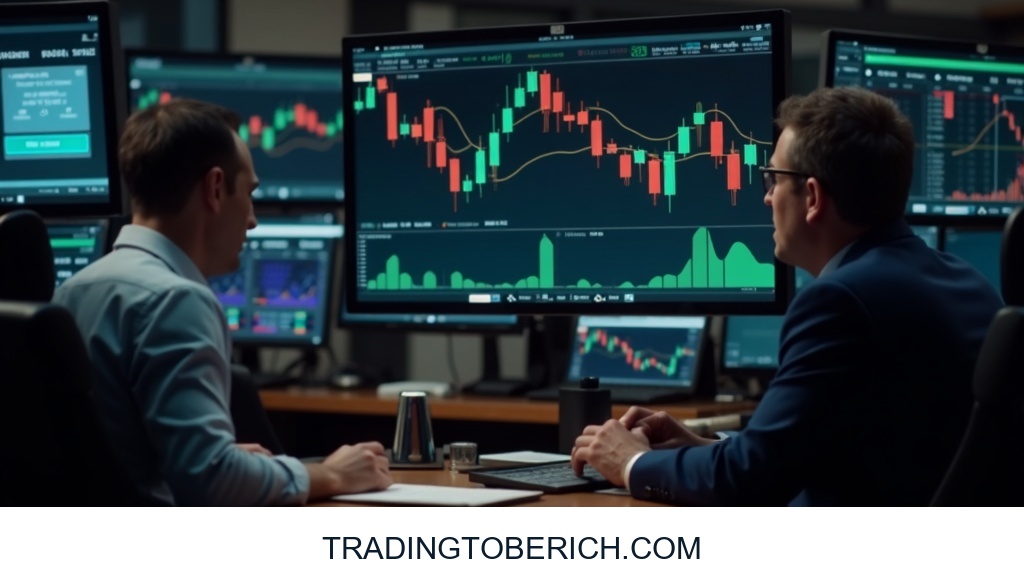
How Market Makers Engineer the Perfect Stop Hunt Strategy in Crypto
Every retail trader knows the frustration: you set a stop-loss just below a clean swing low, only to watch the price dip slightly—triggering your exit—before reversing into a massive rally. This isn’t random. It’s a deliberate stop hunt strategy executed by market makers to accumulate liquidity before engineering a pump. The crypto markets, with their lower liquidity and high retail participation, are the perfect playground for this smart money crypto tactic. Here’s how it works—and how you can spot it before it wipes out your position.
The Anatomy of a Liquidity Sweep in Crypto Markets
Market makers don’t trade like retail. They don’t chase breakouts or panic-sell into wicks. Instead, they manufacture the conditions for a move. The first step in a how to trade crypto liquidity sweeps playbook is identifying where retail traders have clustered their stop-losses. These are typically placed just below swing lows, round numbers, or key moving averages—areas where traders expect support to hold. By sweeping these levels, market makers force retail traders out of their positions, creating a cascade of sell orders that they can then absorb at a discount.
◈ Step 1: Identify the Stop-Loss Clusters
Market makers use order flow tools to map out where retail traders have placed their stops. In crypto, these clusters often form below swing lows in ranging markets or just above/below key psychological levels (e.g., $50,000 for Bitcoin). The tighter the cluster, the more efficient the stop hunt strategy becomes—because a small move can trigger a disproportionate number of sell orders.
◈ Step 2: Sweep the Liquidity with Precision
Once the stops are mapped, market makers drive the price down to these levels—often using large sell orders or leveraged positions to create the illusion of a breakdown. The goal isn’t to crash the market; it’s to trigger those stops and absorb the selling pressure. In crypto, this is often facilitated by institutional order blocks, where large players pre-position bids just below the stop-loss clusters to catch the falling knife.
◈ Step 3: Reverse the Move with a V-Shaped Pump
With retail stops cleared, the market is now “washed out.” The selling pressure dries up, and the path of least resistance is upward. Market makers then deploy their capital to engineer a sharp reversal, often targeting the next liquidity zone above (e.g., recent highs or resistance levels). This is where the smart money crypto traders profit—buying the dip after the stop hunt and riding the rally as retail traders scramble to re-enter.
How to Trade Crypto Liquidity Sweeps Like the Pros
If you’re tired of getting stopped out before the real move begins, you need to think like the market makers. The key is to anticipate where institutional order blocks are likely to form and position yourself ahead of the sweep. One way to do this is by monitoring order book imbalances or using tools like footprint charts to spot large bids lurking below key levels. Another strategy is to avoid placing stops in obvious locations—like just below swing lows—and instead use wider buffers or dynamic stop-loss techniques.
For those looking to take this a step further, combining how to trade crypto liquidity sweeps with options strategies can be a game-changer. For example, selling cash-secured puts on assets you want to accumulate can generate yield while you wait for the stop hunt to play out. If you’re interested in exploring this approach, you’ll find a deep dive into covered calls and other income-generating tactics for Bitcoin here.
◈ Trade the Sweep, Not the Stop
Instead of fighting the stop hunt, trade alongside it. Look for assets where the price is approaching a known liquidity zone (e.g., a swing low with heavy stop-loss orders). Enter a long position just above the sweep level, with a stop-loss below the institutional order block. This way, you’re positioned to profit from the reversal while limiting your downside.
◈ Use DeFi to Your Advantage
Decentralized finance (DeFi) offers tools that can help you navigate liquidity sweeps more effectively. For example, flash loans can be used to capitalize on arbitrage opportunities created by sudden price movements—like those caused by a stop hunt. If you’re curious about how these mechanisms work, this guide on flash loans in DeFi arbitrage breaks down the risks and rewards.
Additionally, DeFi protocols allow you to earn yield on your assets while you wait for the right entry. Unlike traditional finance, where your capital sits idle, you can deploy it in liquidity pools or lending platforms to generate passive income. To learn how to do this without exposing yourself to impermanent loss, check out this comparison of centralized and decentralized yield strategies.
Key Takeaways: How to Avoid the Stop Hunt Trap
The stop hunt strategy is a brutal but effective tool in the smart money crypto playbook. By understanding how market makers manipulate liquidity, you can turn the tables and trade alongside them. Here’s what to remember:
◈ Stop-Losses Are Not Your Friend (If Placed Obvious Places)
Avoid placing stops in predictable locations. Use wider buffers, dynamic stop-losses (like trailing stops), or even mental stops to avoid getting swept up in the hunt.
◈ Trade the Reversal, Not the Breakdown
Look for signs of absorption below key levels (e.g., large buy orders on the order book) and position yourself for the inevitable pump. This is where how to trade crypto liquidity sweeps becomes profitable.
◈ Leverage DeFi and Options for Edge
Use DeFi protocols to earn yield while you wait for the right setup, or deploy options strategies to generate income during volatile periods. These tools can help you stay patient and capitalize on the smart money crypto moves.
The crypto markets are a battlefield, and the stop hunt is one of the most powerful weapons in the arsenal of market makers. But with the right knowledge and tools, you can turn their tactics into your advantage. Stay vigilant, trade the sweeps, and always think one step ahead of the crowd.
Advanced Smart Money Crypto Techniques: Combining Order Blocks with Liquidity Sweeps for Maximum Profit
The Anatomy of a Stop Hunt Strategy in Crypto Markets
Market makers thrive on predictability. Retail traders, often conditioned by technical analysis, tend to cluster their stop-loss orders just below swing lows—creating a dense pool of liquidity ripe for exploitation. This is the essence of a stop hunt strategy, where smart money crypto players deliberately push prices to these levels to trigger mass liquidations before reversing the trend. The result? A violent, engineered pump that leaves retail traders scrambling to re-enter at higher prices.
The mechanics are simple but devastatingly effective. By sweeping these stop-losses, market makers not only secure cheap liquidity but also create a vacuum of selling pressure. Once the stops are triggered, the absence of further downside momentum allows the smart money to aggressively bid up the price, often in a single, explosive move. For traders looking to capitalize on these maneuvers, understanding how to trade crypto liquidity sweeps and institutional order blocks is non-negotiable.
◈ IDENTIFYING LIQUIDITY POOLS BELOW SWING LOWS
Retail stop-losses are rarely placed at random. They congregate just below key support levels, often guided by automated trading bots or rigid risk-management rules. Market makers use order flow tools and depth-of-market data to pinpoint these clusters. When price approaches these zones, the smart money crypto initiates a controlled sell-off, just enough to trigger the stops without causing a full-blown collapse. The moment liquidity is exhausted, the reversal begins.
◈ THE ROLE OF INSTITUTIONAL ORDER BLOCKS IN THE PUMP
After sweeping the stops, the next phase involves institutional order blocks—large, pre-placed buy orders that act as magnets for price. These blocks are often hidden from the public order book but leave footprints in the form of aggressive bid-side absorption. When price revisits these zones, the smart money uses them as launchpads for the next leg up. For traders, spotting these blocks early can mean the difference between catching the pump or being left behind.
How to Trade Crypto Liquidity Sweeps Like a Pro
Trading liquidity sweeps isn’t about guessing where stops are clustered—it’s about reading the market’s footprints. One of the most reliable signals is a sudden, sharp move below a swing low followed by an immediate reversal. This “wick” on the chart is often the telltale sign of a stop hunt strategy in action. Traders who wait for confirmation—such as a bullish engulfing candle or a break above the swing high—can position themselves ahead of the pump.
For those looking to refine their approach, combining how to trade crypto liquidity sweeps and institutional order blocks with other high-probability setups can amplify results. For instance, layering this strategy with perpetual futures funding rate dynamics can help traders identify when the market is primed for a squeeze. When funding rates are negative, short positions are paying long positions, creating a powder keg of potential buying pressure—perfect for a smart money crypto engineered pump.
◈ ENTRY TRIGGERS AFTER A LIQUIDITY SWEEP
The safest entry often comes after price reclaims the swing low that was just swept. This “retest” confirms that the stop hunt strategy is complete and that buyers are stepping in. Traders can look for additional confluence, such as a break of a short-term downtrend line or a bullish divergence on the RSI. Volume spikes during the reversal are another strong signal that smart money is behind the move.
◈ RISK MANAGEMENT: AVOIDING THE TRAP
No strategy is foolproof, and liquidity sweeps are no exception. False breaks below swing lows can occur, especially in low-liquidity environments. To mitigate risk, traders should always place stops below the recent low—never at it. Additionally, scaling into positions rather than going all-in at once can help manage exposure. For those trading across multiple chains, understanding the risks of cross-chain bridges is critical to safeguarding capital, especially when moving funds to capitalize on these setups.
Why Layer 2s Are the Playground for Smart Money Crypto
The rise of Layer 2 scaling solutions has created a new frontier for smart money crypto maneuvers. Platforms like Arbitrum and Optimism offer lower fees and faster transaction speeds, making them ideal for executing large orders without tipping off the broader market. This stealth advantage allows institutions to sweep liquidity and build order blocks with minimal slippage, amplifying the effectiveness of their stop hunt strategy.
For traders, this means that how to trade crypto liquidity sweeps and institutional order blocks on Layer 2s requires even sharper attention to detail. The reduced latency and increased order flow on these networks can lead to more frequent—and more violent—liquidity grabs. Those who adapt by monitoring Layer 2-specific order books and leveraging tools like Ethereum’s Layer 2 ecosystems will have a distinct edge in spotting these maneuvers early.
↔ Swipe to view
| MARKET CONDITION | SMART MONEY ACTION | TRADER RESPONSE |
|---|---|---|
| Price approaches swing low | Market makers initiate controlled sell-off to trigger stops | Monitor for wicks below support; prepare for reversal |
| Stops triggered, liquidity exhausted | Institutional order blocks absorb selling pressure | Enter long on reclaim of swing low with tight stop |
| Price breaks above swing high | Smart money accelerates pump with large buy orders | Trail stop or take partial profits at key resistance |
Final Thoughts: Mastering the Smart Money Crypto Playbook
The crypto markets are a battlefield where retail traders are often outmaneuvered by smart money players. However, by understanding how to trade crypto liquidity sweeps and institutional order blocks, traders can turn the tables. The key lies in recognizing the patterns—wicks below swing lows, sudden reversals, and hidden order absorption—and acting decisively when they appear.
For those willing to put in the work, combining these techniques with other high-probability strategies—such as funding rate arbitrage in perpetual futures—can create a robust trading framework. And in an era where Layer 2s are becoming the new norm, staying ahead of the curve means adapting to the nuances of these networks. The stop hunt strategy isn’t going away; it’s evolving. The question is: Will you evolve with it?
Conclusion
Mastering how to trade crypto liquidity sweeps and institutional order blocks means recognizing the stop hunt strategy before it happens. Retail stop-losses clustered below swing lows are a magnet for smart money crypto players—market makers engineer the sweep, then reverse the move with precision. Trade with the institutions, not against them.
Stay disciplined. Use swing lows as reference points, not entry triggers. The real edge lies in anticipating the liquidity grab—then positioning for the inevitable pump. That’s how you trade like the smart money.
Frequently Asked Questions
What is a stop hunt strategy, and how does it relate to how to trade crypto liquidity sweeps and institutional order blocks?
A stop hunt strategy is a tactical maneuver used by smart money crypto participants—primarily market makers and institutional players—to trigger retail stop-loss orders before reversing price direction. This strategy is deeply connected to how to trade crypto liquidity sweeps and institutional order blocks, as it exploits the predictable behavior of retail traders who place stop-losses just below key swing lows or above swing highs. Market makers intentionally drive price to these levels, sweeping liquidity (i.e., triggering stops), before engineering a sharp reversal—often referred to as a “pump” in crypto markets.
The key to understanding this strategy lies in recognizing that smart money crypto entities do not trade randomly. They target areas where retail traders have clustered their stop-losses, creating a liquidity pool. By sweeping these stops, they create a cascade of selling (or buying) pressure, which they then use to fuel their own positions in the opposite direction. This is why learning how to trade crypto liquidity sweeps and institutional order blocks is essential for traders looking to align with institutional movements rather than fall victim to them.
How can retail traders identify and capitalize on institutional order blocks in crypto markets?
Identifying institutional order blocks is a cornerstone of how to trade crypto liquidity sweeps and institutional order blocks. These order blocks represent zones where large players—such as hedge funds, market makers, or whales—have accumulated or distributed significant positions. Retail traders can spot these zones by analyzing price action around key support and resistance levels, particularly after a stop hunt strategy has been executed.
To capitalize on these blocks, traders should look for the following signs:
◈ STRONG REJECTION OF PRICE AT KEY LEVELS
After a stop hunt strategy sweeps retail stops, price often reverses sharply at a key level. This rejection—often marked by long wicks on candlesticks—indicates the presence of an institutional order block. Smart money crypto players defend these levels aggressively, as they represent their entry or exit points.
◈ HIGH VOLUME SPIKES DURING LIQUIDITY SWEEPS
Volume is a critical tell in how to trade crypto liquidity sweeps and institutional order blocks. When price sweeps below a swing low (or above a swing high), a spike in volume often confirms that smart money crypto is actively triggering stops. If the volume is significantly higher than average, it suggests institutional participation, and traders can use this as a signal to enter in the direction of the subsequent reversal.
◈ ORDER FLOW IMBALANCES ON DEPTH CHARTS
Retail traders can use order book data to identify institutional order blocks. Large buy or sell walls on the depth chart often indicate where smart money crypto has placed their orders. If price approaches these walls and reverses, it confirms the presence of an order block. Traders can then align their positions with these institutional levels, increasing the probability of a successful trade.
What tools or indicators help traders avoid falling victim to a stop hunt strategy in crypto?
Avoiding a stop hunt strategy requires a combination of technical analysis, market structure awareness, and disciplined risk management. Since smart money crypto players rely on retail traders’ predictable behavior, the key is to anticipate where stops are clustered and adjust your strategy accordingly. Below are the most effective tools and indicators for navigating how to trade crypto liquidity sweeps and institutional order blocks while minimizing exposure to stop hunts:
◈ MARKET STRUCTURE ANALYSIS (HIGHER HIGHS AND LOWS)
Understanding market structure is fundamental to how to trade crypto liquidity sweeps and institutional order blocks. Retail traders often place stops just below the most recent swing low in an uptrend or above the most recent swing high in a downtrend. By identifying these levels, traders can anticipate where a stop hunt strategy might occur. Instead of placing stops at these obvious levels, traders should consider using wider stop-losses or placing them at levels that invalidate the trade thesis, rather than at arbitrary swing points.
◈ LIQUIDITY HEATMAPS (ORDER FLOW TOOLS)
Liquidity heatmaps, such as those provided by platforms like Bookmap or TradingView’s order flow tools, visually represent where large orders are clustered. These tools help traders see where smart money crypto is likely to target for a stop hunt strategy. By avoiding stop placements in these high-liquidity zones, traders can reduce the risk of being swept. Additionally, these heatmaps can highlight institutional order blocks, allowing traders to align their entries with areas where large players are accumulating or distributing.
◈ VOLUME PROFILE AND DELTA ANALYSIS
Volume profile tools, such as the Volume Profile Fixed Range (VPFR) or Market Profile, help traders identify areas of high trading activity—often where institutional order blocks reside. Delta analysis, which measures the difference between aggressive buy and sell orders, can also reveal whether smart money crypto is accumulating or distributing. If delta is positive in a key support zone, it suggests institutional buying, making it a safer area to place stops. Conversely, negative delta at resistance may indicate a potential stop hunt strategy is underway.
◈ MULTI-TIMEFRAME CONFLUENCE
One of the most effective ways to avoid a stop hunt strategy is to use multi-timeframe analysis. For example, if the 1-hour chart shows a potential liquidity sweep below a swing low, but the 4-hour chart indicates a strong uptrend, the higher timeframe context can help traders avoid being stopped out prematurely. By aligning trades with the dominant trend and using confluence from multiple timeframes, traders can better distinguish between a genuine reversal and a temporary liquidity sweep engineered by smart money crypto.
📂 Associated Market Intelligence
- ◈How to analyze a cryptocurrency whitepaper and tokenomics
- ◈Crypto hardware wallets vs exchanges: Institutional security guide
- ◈How to trade Bitcoin Dominance (BTC.D) to predict altcoin seasons
- ◈How flash loans work in DeFi arbitrage and smart contract exploits
- ◈How to use Tether (USDT) minting as a leading indicator for Bitcoin
- ◈Cross-chain bridge risks: How to secure your crypto assets across networks
- ◈Institutional crypto airdrop farming strategy and Sybil resistance
- ◈Crypto tax-loss harvesting strategies to offset capital gains
- ◈How to value Bitcoin using the Stock-to-Flow model and ETF inflows
- ◈Ethereum vs Bitcoin: Analyzing institutional inflows and DeFi TVL
- ◈How to earn yield in DeFi without impermanent loss
- ◈Crypto staking strategies: Maximizing APY while mitigating slashing risks
- ◈How to trade crypto funding rate arbitrage on perpetual futures
- ◈How to analyze NFT floor price momentum and liquidity
- ◈Real World Asset (RWA) tokenization vs traditional NFTs
- ◈Layer 2 Scaling Solutions: Arbitrum, Optimism, and Ethereum’s Future
- ◈How to use on-chain analysis to time Bitcoin market bottoms
- ◈Bitcoin options trading strategy: Covered calls and cash-secured puts
- ◈What is MEV in DeFi and how sandwich attacks affect crypto traders
⚖️ REGULATORY DISCLOSURE & RISK WARNING
The trading strategies and financial insights shared here are for educational and analytical purposes only. Trading involves significant risk of loss and is not suitable for all investors. Past performance is not indicative of future results.